



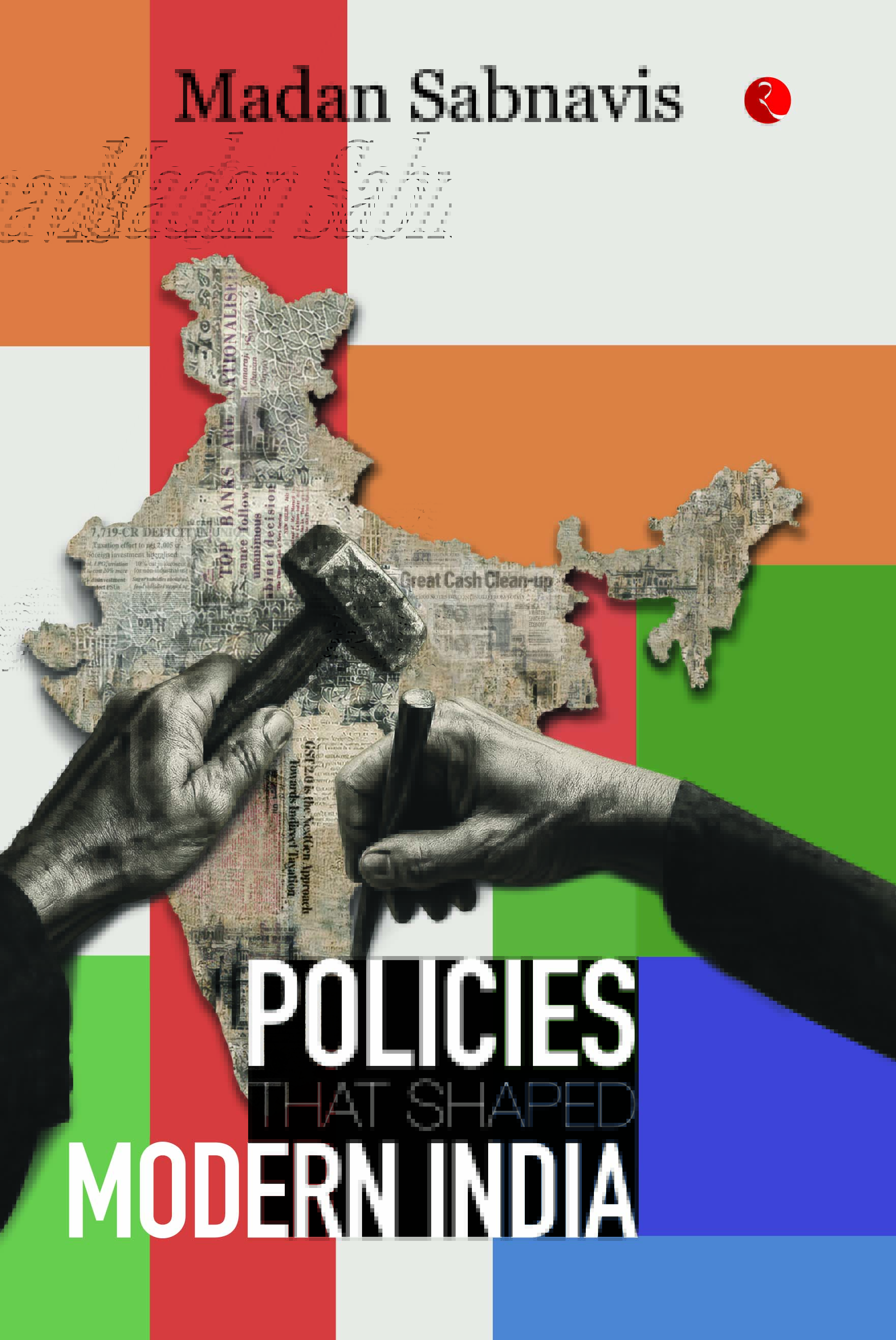
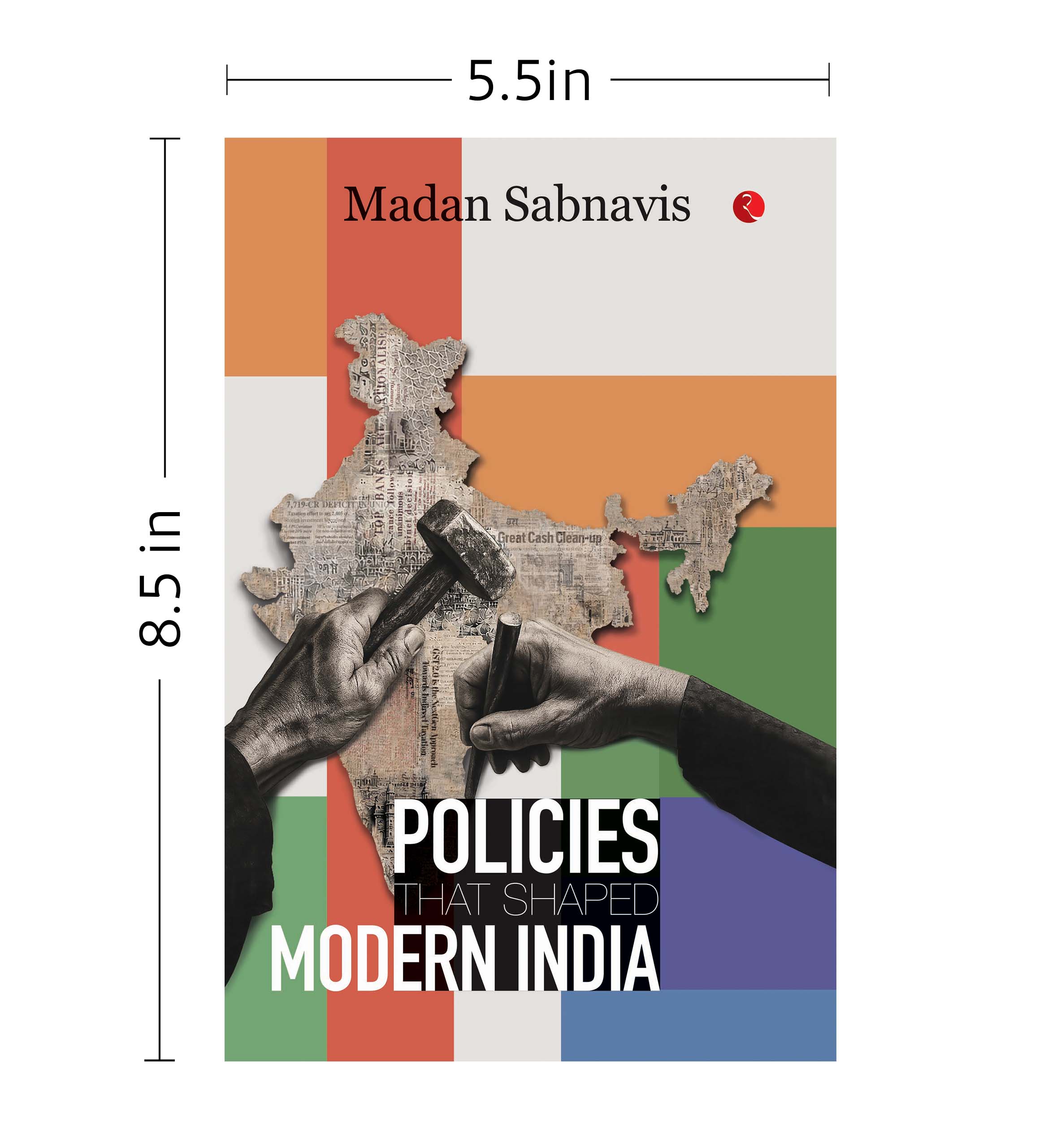
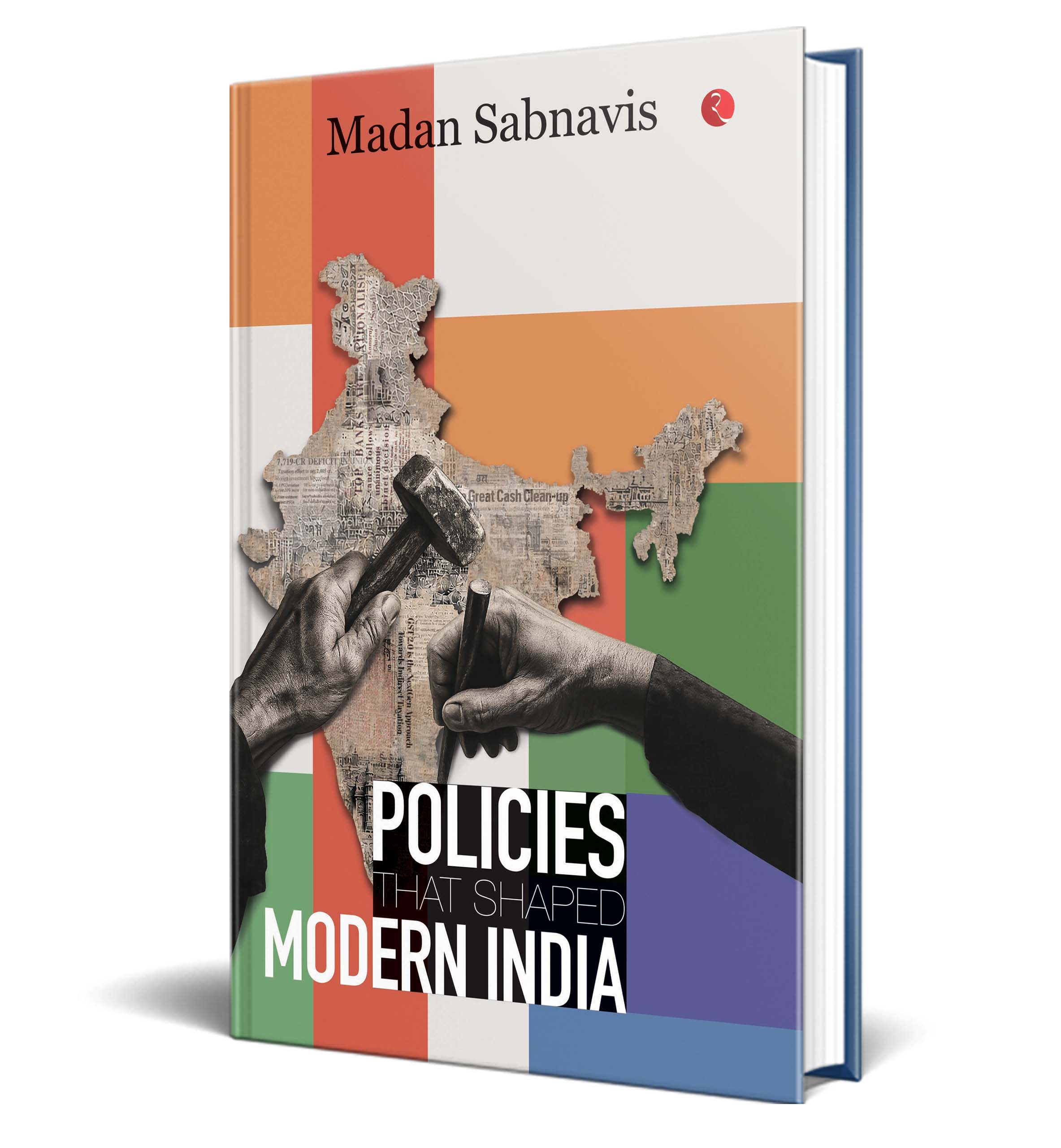
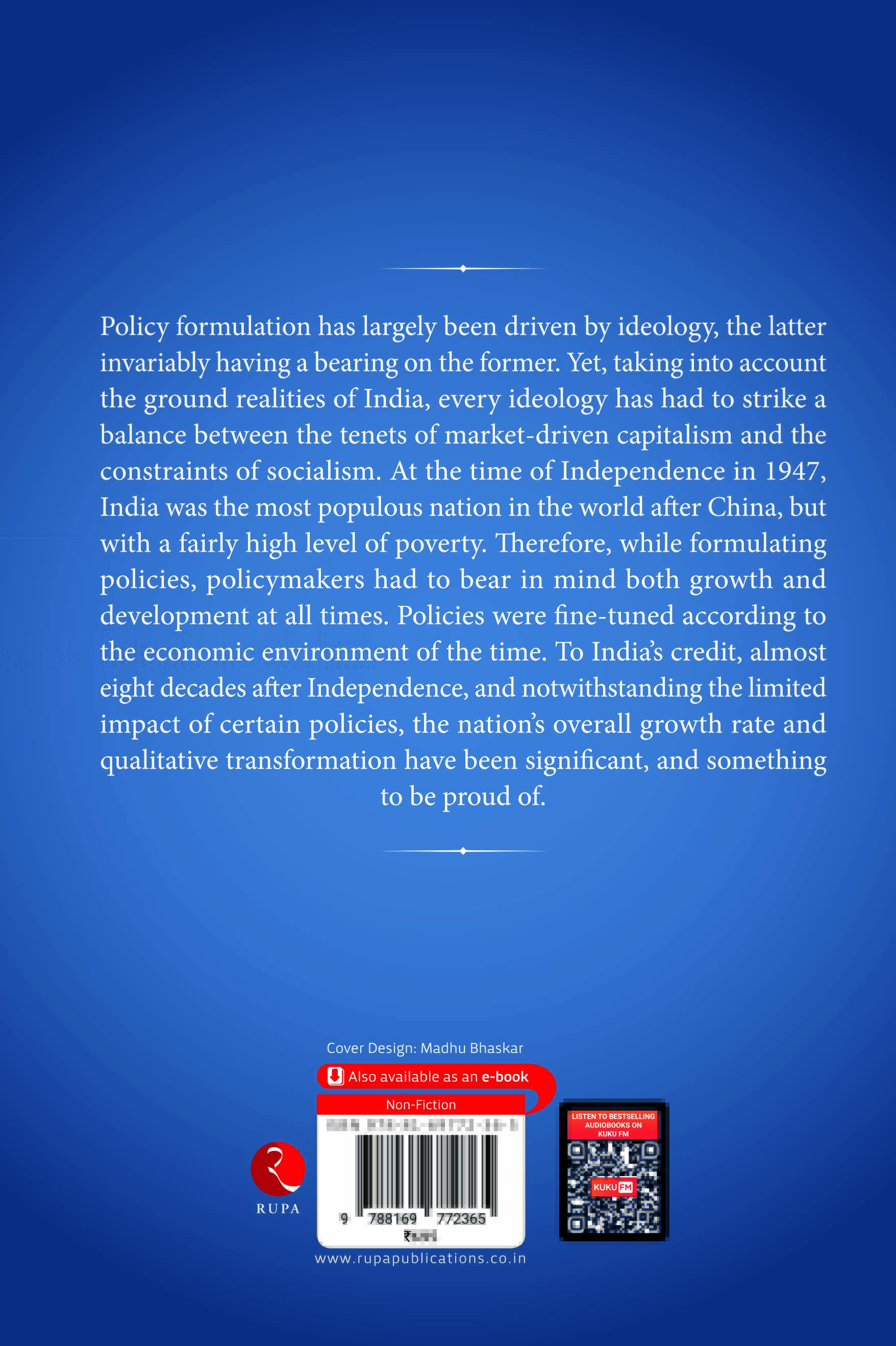
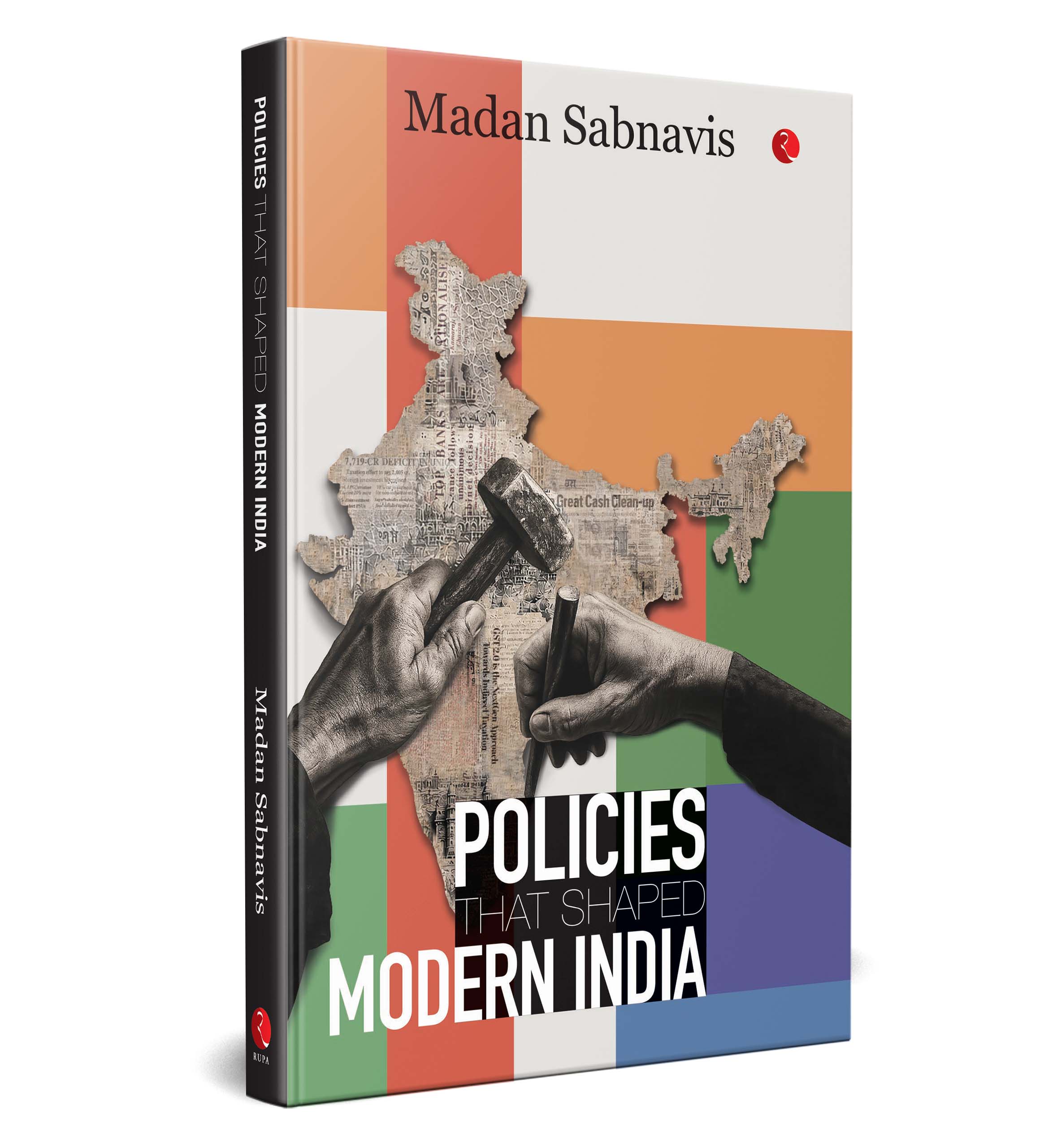


Policies That Shaped Modern India delves into the experimental nature of policy planning, engaging in an economics-based understanding and historical discourse of the Indian growth story. Through the course of single-party dominance in Indian politics, and the changes of the late 1980s and 1990s, there were some policies that completely changed the economic and financial sphere of the country, while there were a few others that failed to make the desired impact. But they were nonetheless important, and together they present a story of our experiment with economics.
This book tries to bridge the gap between the 2Ps: that is, policies and politics. Policies have always been driven by the prevailing political ideology, which was largely dominated by socialist tendencies to begin with. But post-1990s, India saw a necessary shift. This shift, in turn, defined India’s ability to take a chance upon itself—thus shaping the Indian growth story.
Interestingly, there is also an attempt to bring out the hidden narratives that the Indian consumer has come to define as political slogans. Giving it a two-dimensional life, there is an attempt to introduce the reader to the underlying effects of sloganeering and how often it influences the psyche and the path forward more than we give it credit for.
A useful reference book for those passionate about the world of economics and India’s story in it, this book will cause a sense of déjà vu for those who have lived through these times. This is the story of India, featuring economics and finance, at the juncture of a past that has defined us and a future that awaits us.