
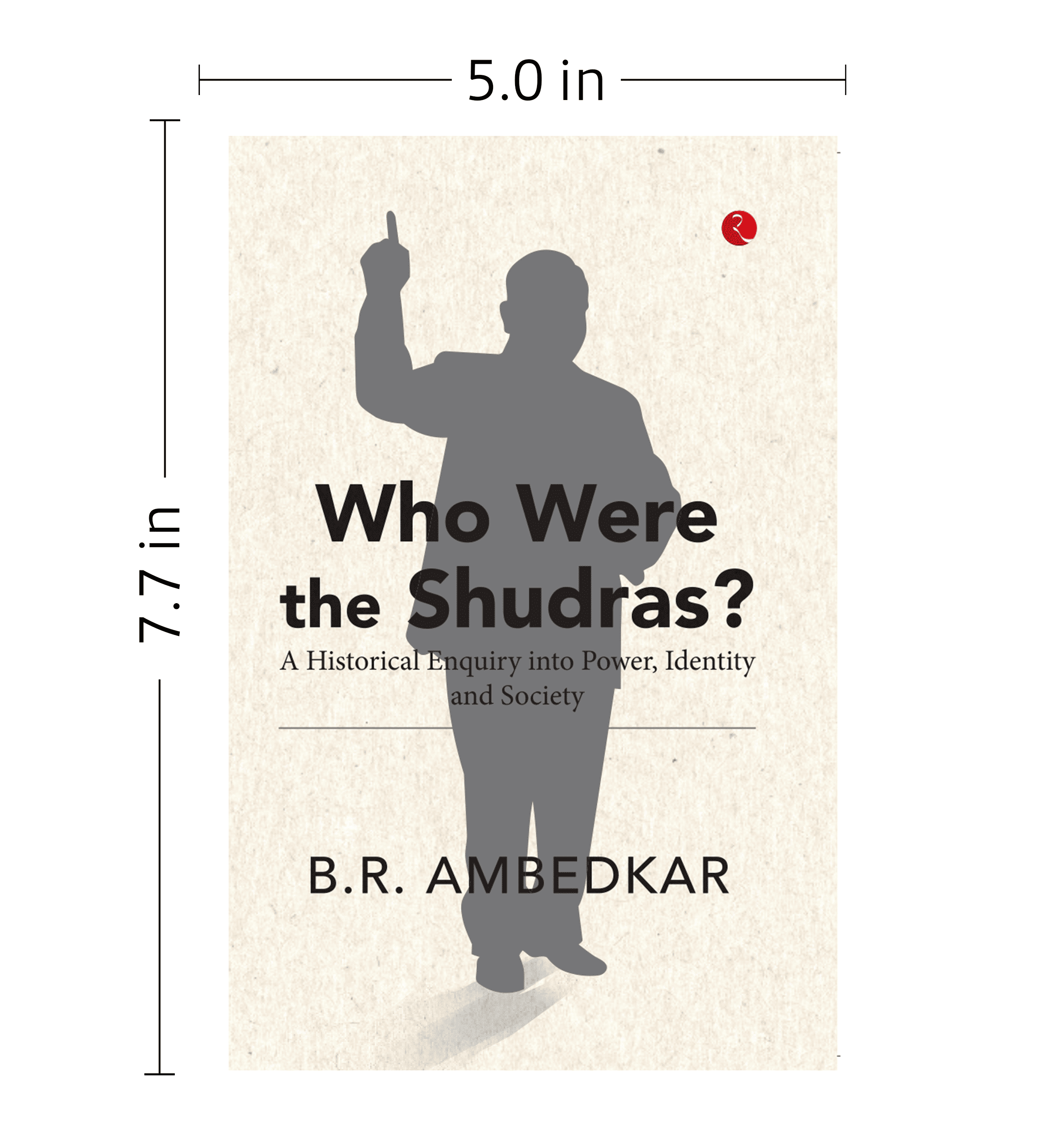
WHO WERE THE SHUDRAS? A HISTORICAL ENQUIRY INTO POWER, IDENTITY AND SOCIETY

img

History

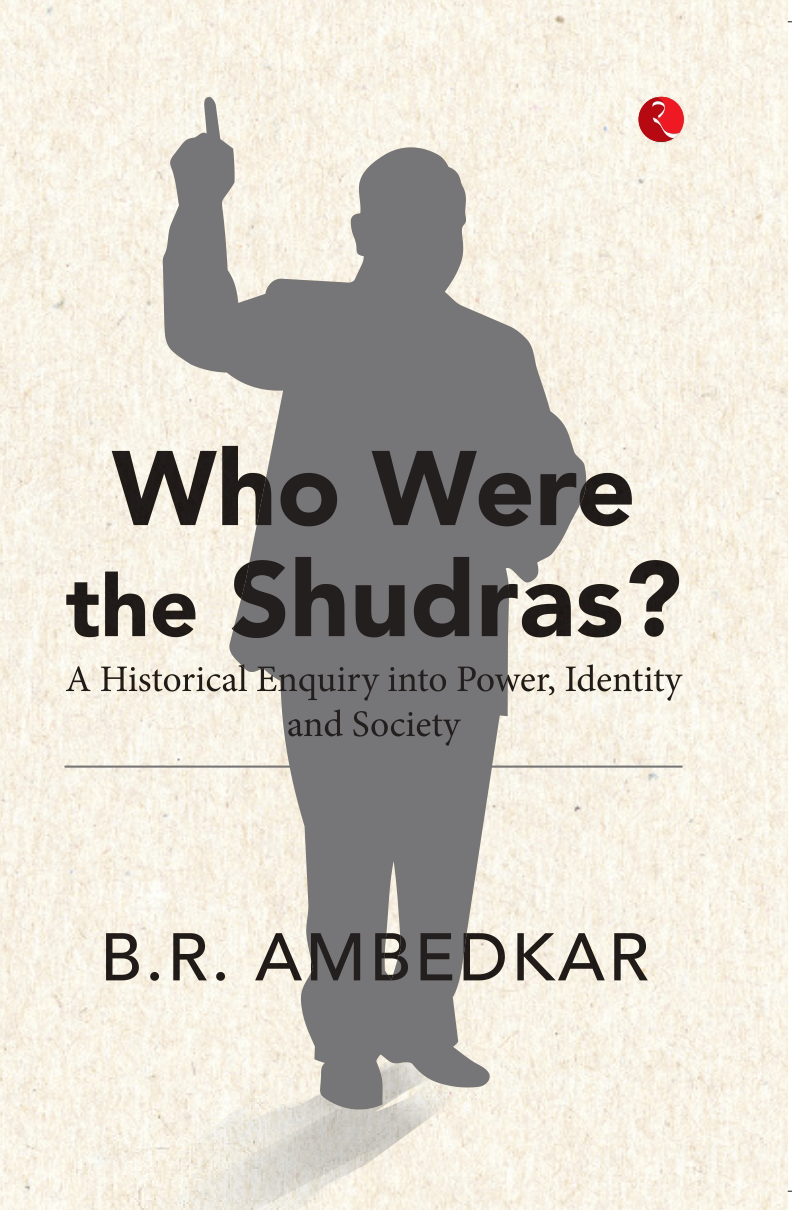
WHO WERE THE SHUDRAS? A HISTORICAL ENQUIRY INTO POWER, IDENTITY AND SOCIETY

By: B. R. Ambedkar

295.00

  • ISBN: 978-93-7646-273-5
  • Pages: 312 pages
  • Published: 05 June, 2026
  • Format: B Format
  • Imprint: Rupa
  • Language: English

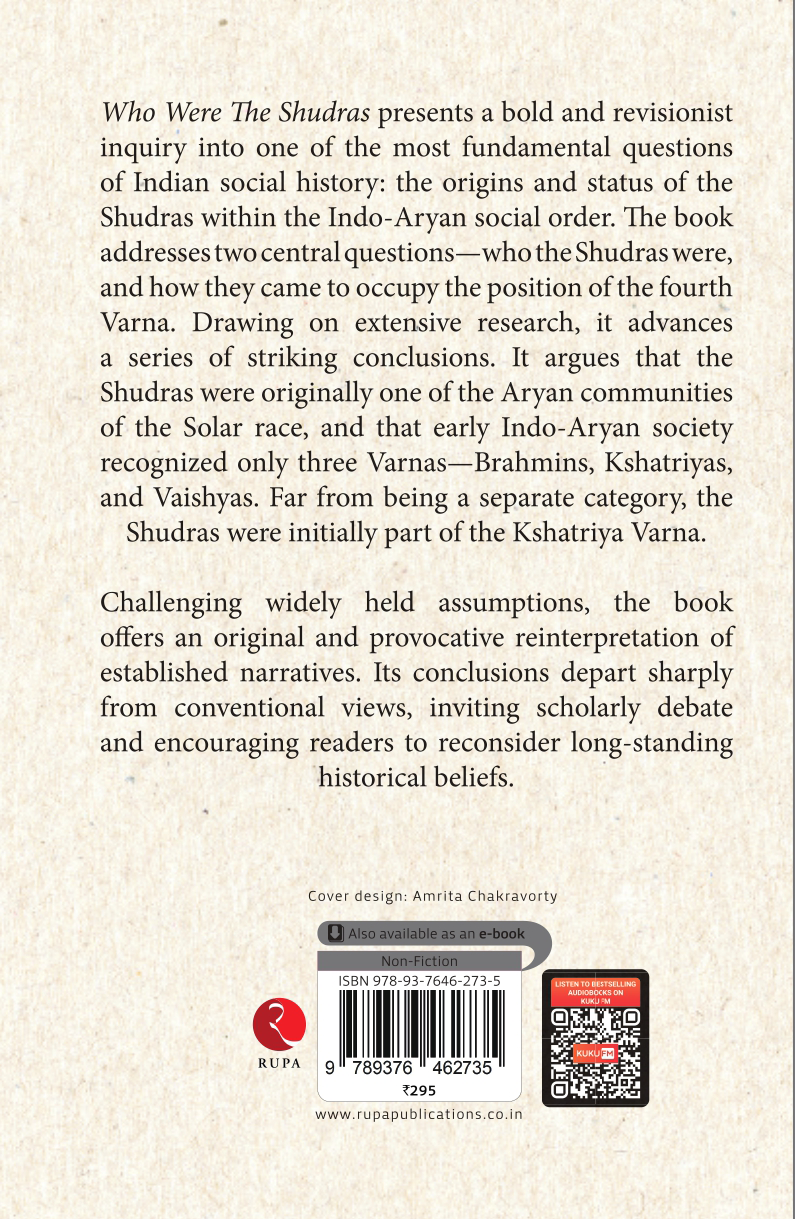
Who Were The Shudras presents a bold and revisionist inquiry into one of the most fundamental questions of Indian social history: the origins and status of the Shudras within the Indo-Aryan social order. The book addresses two central questions, who the Shudras were, and how they came to occupy the position of the fourth Varna. Drawing on extensive research, it advances a series of striking conclusions. It argues that the Shudras were originally one of the Aryan communities of the Solar race, and that early Indo-Aryan society recognized only three Varnas, Brahmins, Kshatriyas, and Vaishyas. Far from being a separate category, the Shudras were initially part of the Kshatriya Varna.

Challenging widely held assumptions, the book offers an original and provocative reinterpretation of established narratives. Its conclusions depart sharply from conventional views, inviting scholarly debate and encouraging readers to reconsider long-standing historical beliefs.
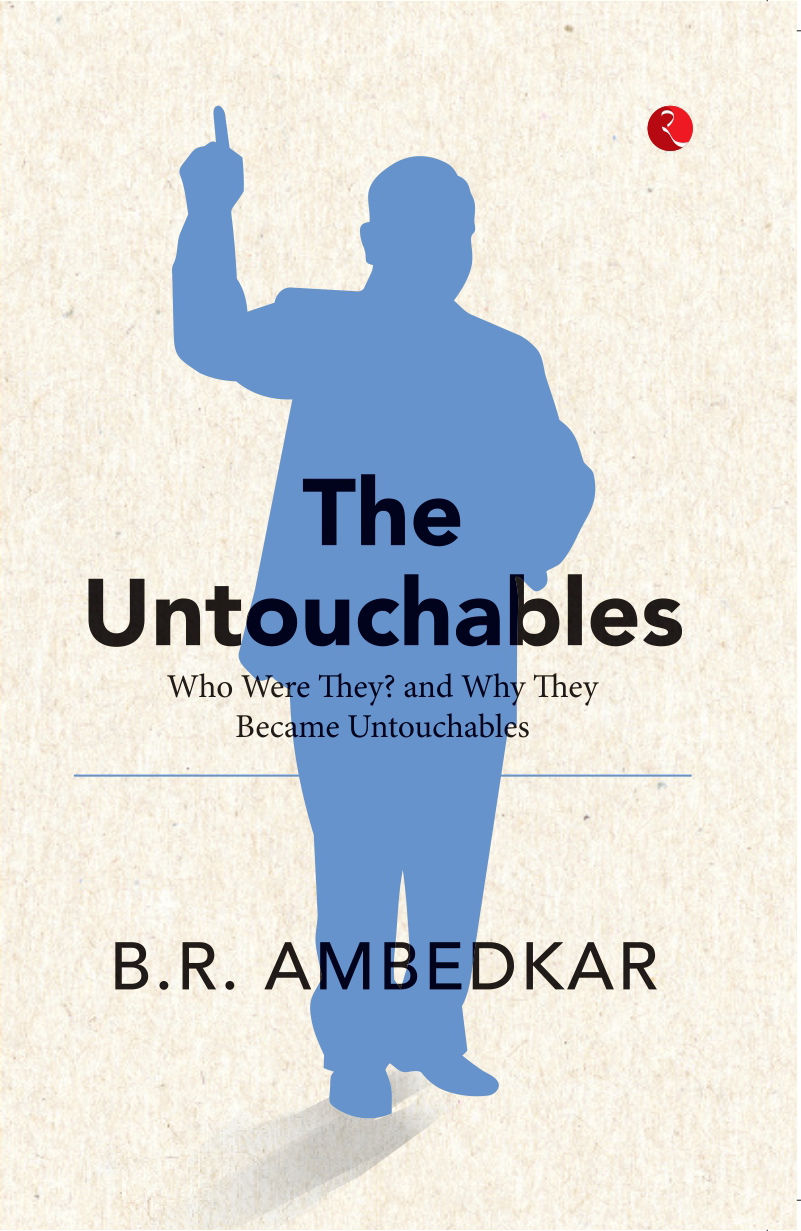
Dr Bhimrao Ramji Ambedkar was far more than the principal architect of India’s Constitution. He was a jurist, economist, social reformer, political leader, and one of the most determined voices against untouchability and caste oppression. He argued for the rights of the marginalised, spoke firmly for women’s empowerment, and devoted his life to the making of a just and modern India. 

Ambedkar’s stature exceeded the ordinary measure of political leadership. His vision was rooted in the idea of a nation built not merely through law and governance, but through dignity, social justice, and moral equality. For him, the strength of India depended on whether every citizen could live with liberty, equality, and fraternity, not as abstract ideals, but as lived realities. 

As chairman of the Drafting Committee of the Constituent Assembly, Ambedkar played a decisive role in shaping the Constitution of India. He also served as the country’s first Minister of Law and Justice. In recognition of his immense contribution, he was posthumously awarded the Bharat Ratna, India’s highest civilian honour, in 1990. His legacy continues through institutions, memorials, public memory, scholarship, and the enduring struggle for equality that his life helped define.


img
img

Sign Up for Our Newsletter

Join Us to Stay Updated

img