





Of churns and turns, uncertainty and fragility, and an ever-changing geopolitical map.
After years of deep mistrust stemming from the 2020 boundary standoff, India–China relations
have entered a phase of cautious yet fragile re-engagement. Prime Minister Narendra Modi’s meetings with President Xi Jinping in Kazan in 2024 and Tianjin in 2025 signalled a shared desire
to stabilize ties. Yet, these gestures have not eased the deeper structural tensions. The post-pandemic geopolitical churn, the inward turn of the West and Donald Trump’s return to the White House have further complicated an already fraught dynamic.
Clearly, the relationship is at an inflection point. At such a moment, it becomes imperative for India’s political leadership and strategic community to examine what exactly we seek from our engagement with China. For years, analysts have spoken of the need for India to craft a new modus vivendi. But what should the contours of this desirable equilibrium be? And what must India do to arrive there? These are not abstract questions; they demand clarity, purpose and foresight.
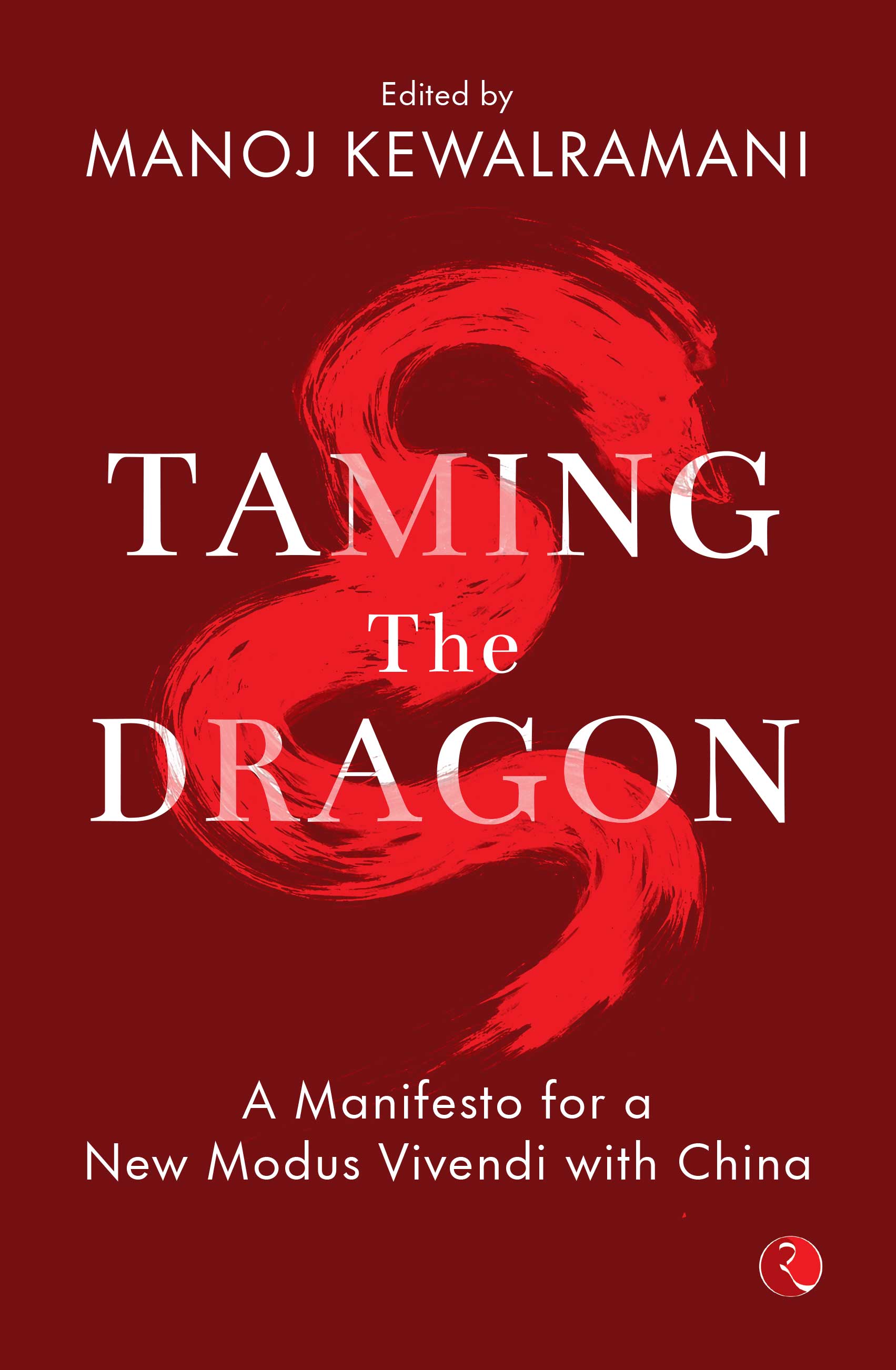
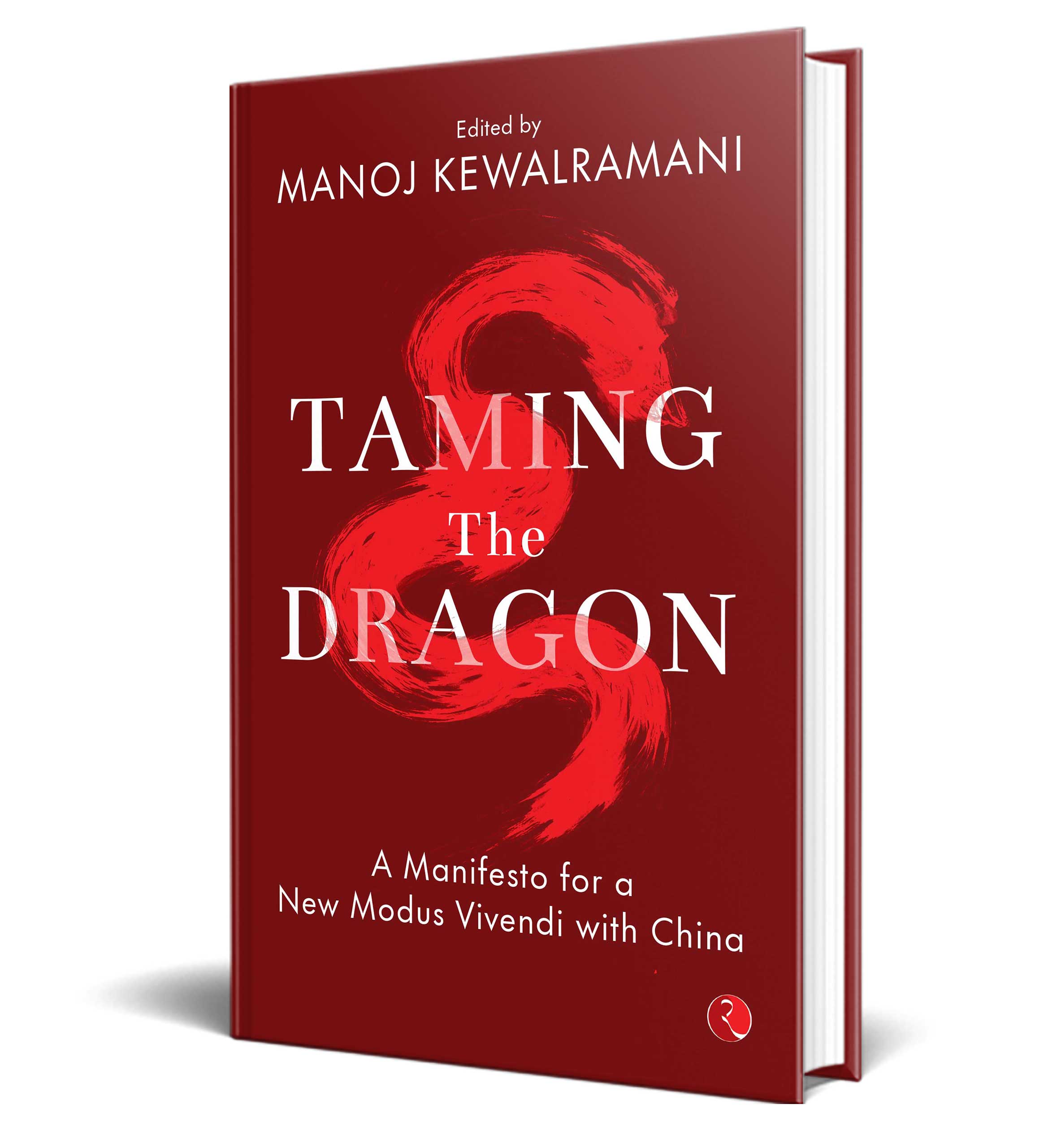
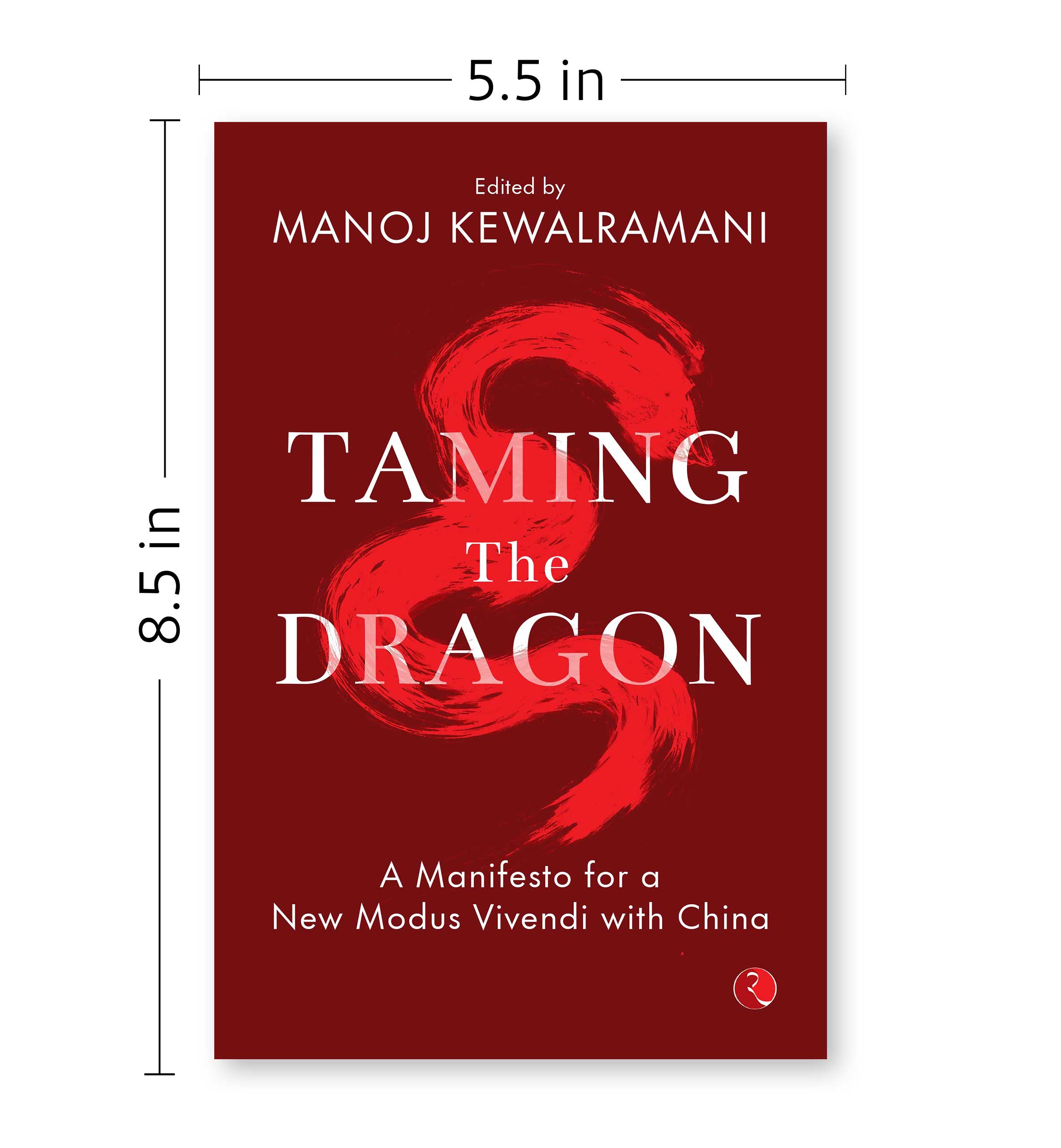
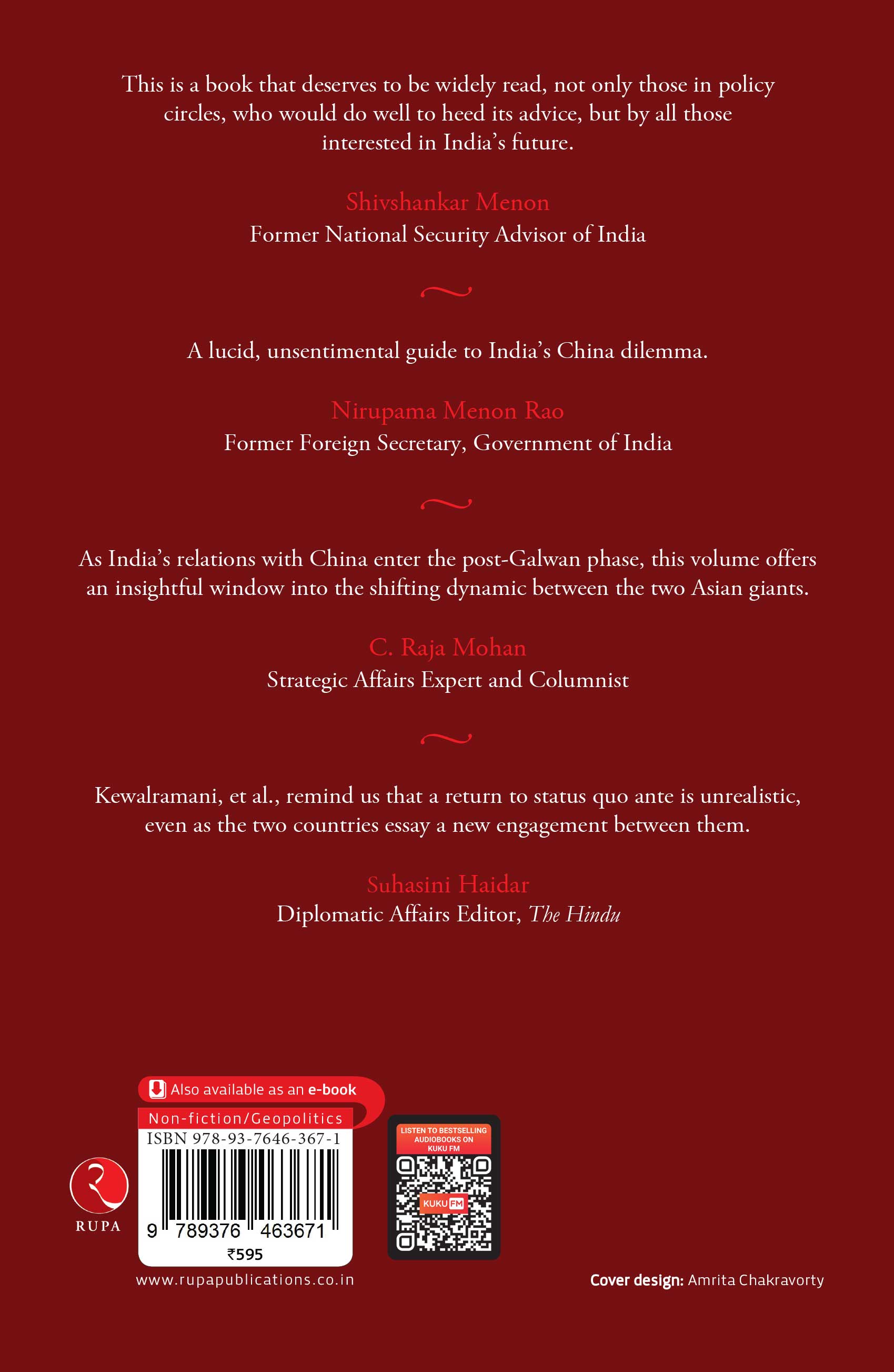
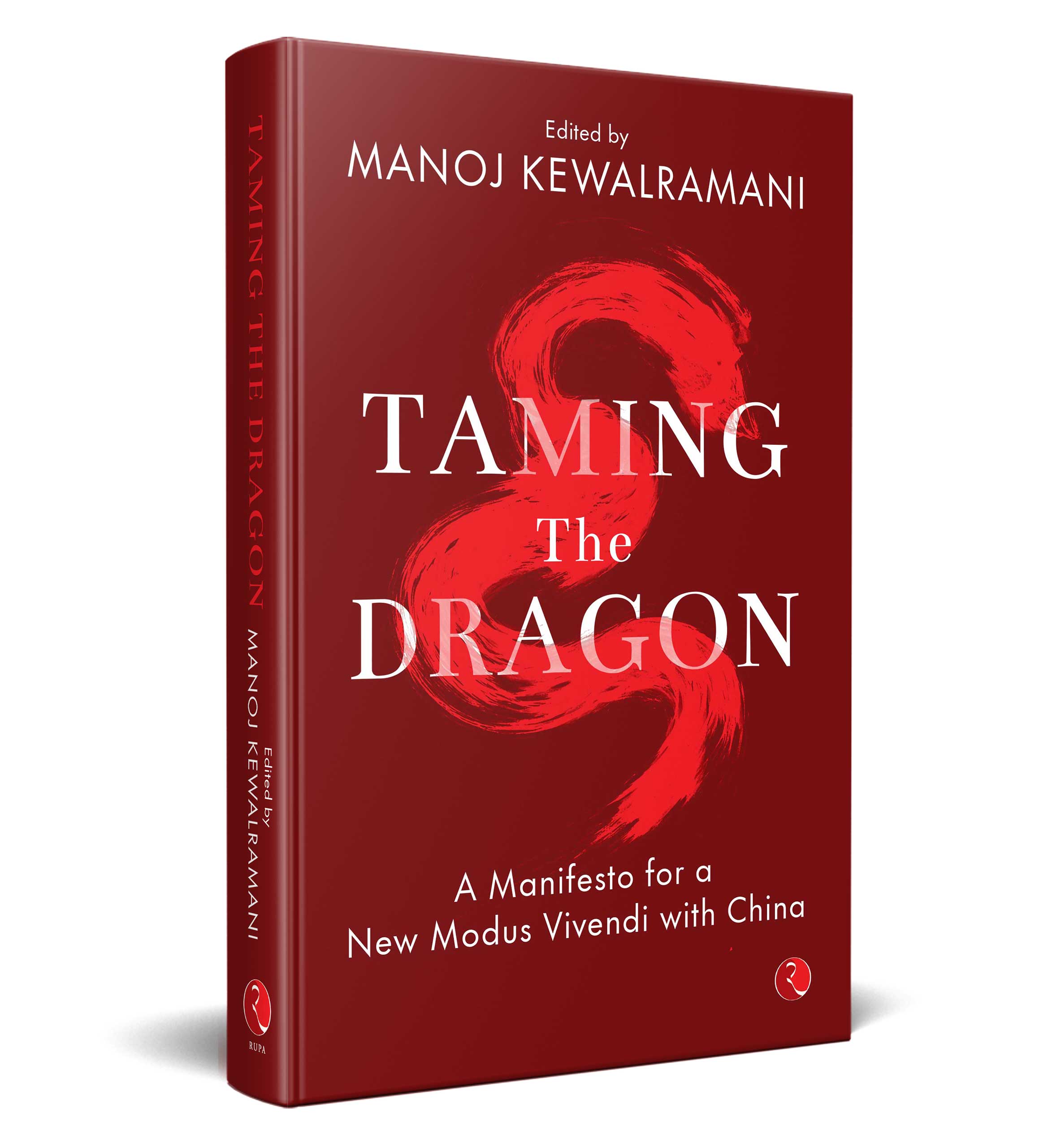
Taming the Dragon is an effort to provide that clarity. Drawing on deep research, it offers an action-oriented guide to navigating the challenges and opportunities that China’s rise presents. Its central argument is that India’s policy thinking must be anchored in the paradigm of atma-shakti or self-strengthening. This framework should shape choices on economic strategy, military preparedness, foreign partnerships, trade and technology policy, and even engagement with China. The objective is not only to build national strength, but also to emerge as a major power in the Chinese mind. How do we get there? That is what this book sets out to explain.